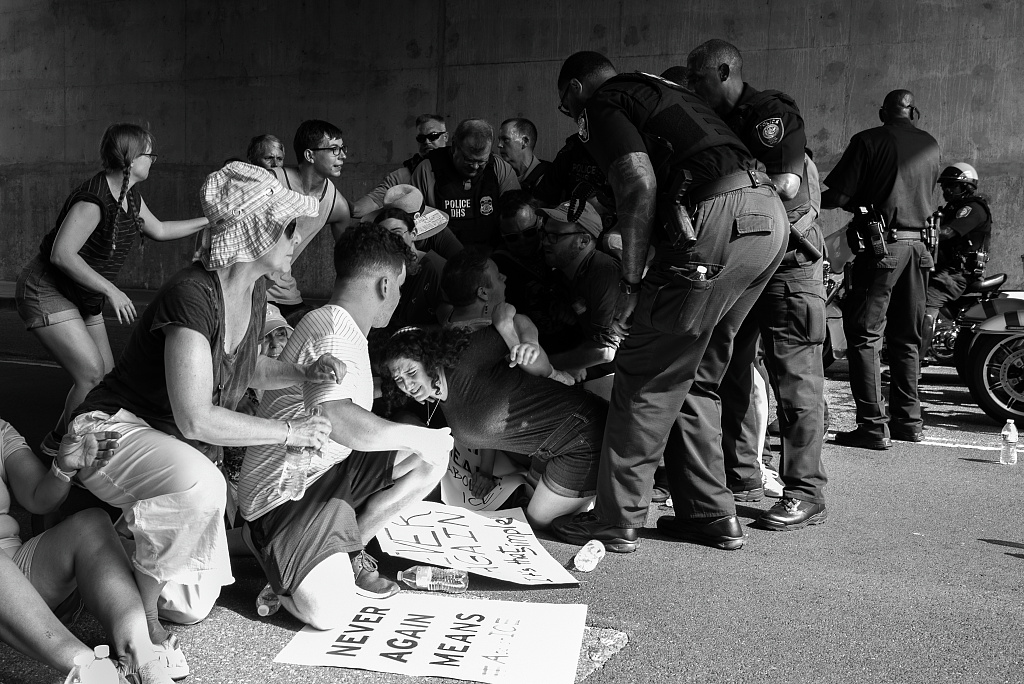
Asylum Is Not a Loophole, with Colleen Zengotitabengoa
What is asylum? Simply put, the United States must not return someone to a country where they have a well-founded fear of persecution. Following the atrocities of World War II, Congress created a U.S. asylum system under international treaty and federal law. But in recent years, as many more people sought asylum at the U.S./Mexico border, this moral and legal obligation became a political lightning rod.
Colleen Zengotitabengoa has seen these challenges first-hand, in her two decades serving at the Department of Homeland Security, the White House, and Congress. As an attorney, she has directly represented asylum-seekers – real people who were not “exploiting a loophole.” Colleen will help you understand what happened to our asylum system, why it matters, and what we as a nation need to do next.
In This Episode
- Introduction
- What is asylum?
- Who is Colleen Zengotitabengoa?
- Who qualifies for asylum?
- Comparison to the refugee process
- A brief history of asylum
- Shameful lessons of WWII
- One client’s asylum journey
- Two doors to asylum (affirmative and defensive)
- Expedited removal and credible fear
- More people claiming asylum at the border
- Asylum is not a loophole
- You can’t enforce your way out of this problem
- Then why is the border so quiet?
- What does “sealing the border” mean?
- If we can’t figure out how to fix it, then that’s on us
- Asylum doesn’t have to be this complicated
- Millions of cases in the backlog
- “Particular social group”
- Asylum and gender
- Pushing problems beyond our borders
- Why don’t we have a real refugee system in Latin America?
- Regional solutions
- We have a moral obligation to protect people
- The Supreme Court endorses “metering”
- Why is the border so quiet now?
- So what should we do?
- Three cheers for bureaucracy
- Conclusion (Gen X style)
Learn More
Amanda, Claire, and Doug express their own personal opinions on The Melting Pod. This episode was produced by Michael Palmer (palmer.media). Read more about the topics in this episode:
Asylum in the United States
The Voyage of the St. Louis
Managing migration under pressure: Lessons from the Biden presidency to build a migration policy in the national interest
What Are Safe Mobility Offices?
Abandoning Principles: Unpacking the Supreme Court’s Mullin v. Al Otro Lado Denying Asylum to Arriving Migrants
Modernizing America’s Asylum System
Give More
Want to help build a more sane and humane immigration system? Support hardworking organizations like these:
National
Working to ensure the U.S. keeps its promise to our Afghan allies
The country’s largest membership organization of asylum seekers, working together for change
Organizing and advocating for racial, social and economic justice
Providing humanitarian, legal, and social services
Strategic litigation and advocacy to uphold the rights of people seeking safety
Immigrant justice through litigation and storytelling
Local
Legal and humanitarian support to refugees, deportees, and other migrants in the U.S. and Tijuana
Providing assistance to the poor and most vulnerable populations in the Rio Grande Valley community
Free and low-cost legal services to immigrants and refugees in West Texas, New Mexico, and Ciudad Juarez, Mexico
Confessions of an Immigration Bureaucrat, with Michael Valverde
Every year, U.S. Citizenship and Immigration Services (USCIS) makes millions of highly consequential decisions that affect individual people’s lives. Applications for green cards, work permits, asylum and refugee status, even U.S. citizenship – they’re all handled by the 20,000 civil servants at USCIS. The agency has always had its struggles, but under Trump 2.0, political appointees have actively undermined and targeted civil servants like never before. Michael Valverde dedicated his career to USCIS for three decades, working in roles throughout the agency and rising to senior management. Having taken early retirement after the DOGE debacle, he’s ready to pull back the curtain on how this agency really works: Why backlogs seem so endless, how immigration officers think, and what’s the difference between useful vs. useless security vetting. Michael also shares what he’s told countless new Americans at their citizenship ceremonies: Immigrants make our country richer.
Next EpisodeNews Dive: The Great De-Legalization, H-1B Follies, and Midterm Predictions
We plunge beneath the latest immigration headlines to make sense of the senseless. What is the human cost of revoking deportation protections from over a million people? Why is the newly proposed H-1B fee precisely $103,265? Why are your taxpayer dollars giving ICE electric-shock gloves and robot dogs? Plus planning for a Democratic House majority to rein in these abuses (and a likely Constitutional crisis in the meantime).